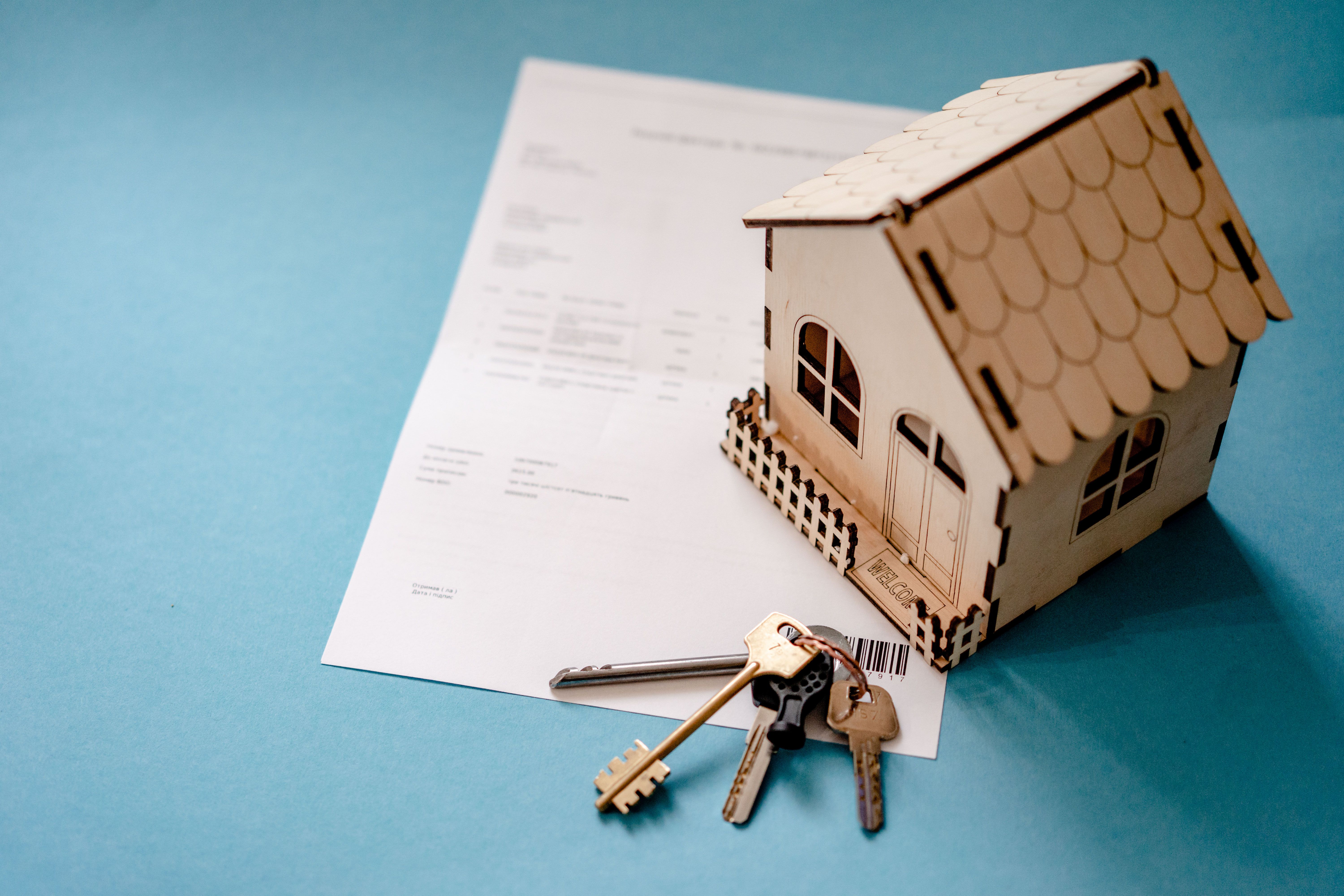
Conveyancing is a crucial part of buying or selling a home in the UK, yet it remains one of the most common causes of frustration during a property transaction. Delays are not unusual, especially where property chains are involved, but many issues can be reduced with preparation and clear communication. Working with experienced estate agents in Rushden can help ensure the conveyancing process runs smoothly, providing you with the support and guidance needed to navigate any challenges that may arise.
What Is Conveyancing and Why Does It Take Time?
Conveyancing refers to the legal work required to transfer ownership of a property from seller to buyer. This includes preparing contracts, carrying out property searches, raising legal enquiries, confirming finances, and ultimately arranging the exchange and completion dates.
Although a simple freehold transaction can sometimes be completed quickly, many UK property sales involve leasehold properties, mortgage finance, or chains of buyers and sellers all of which add complexity and increase the risk of delay.
Common Causes of Conveyancing Delays
Incomplete or Incorrect Paperwork
One of the most frequent causes of delay is missing or inaccurate documentation. Sellers are required to complete property information forms, fixtures and contents lists, and (for leasehold homes) additional documentation relating to service charges, ground rent, and managing agents. Any errors or omissions often lead to further enquiries, slowing progress.
Local Authority Search Delays
Local authority searches provide vital information about planning permissions, highways, drainage, and environmental factors. Depending on the local council, these searches can take several weeks, particularly during busy periods. Delays at this stage can stall the entire transaction.
Mortgage‑Related Issues
Buyers relying on mortgage finance can encounter delays if lenders request additional information, conduct further checks, or if mortgage offers expire and need renewing. Changes in interest rates or buyer circumstances can also affect approval.
Survey and Valuation Problems
If a survey highlights defects—such as damp, roof issues, or structural concerns—buyers may want to renegotiate the price or request repairs. These discussions take time and may require specialist reports before proceeding.
Property Chains
A property chain links multiple transactions together, meaning contracts cannot be exchanged until everyone is ready. Delays or withdrawals elsewhere in the chain directly affect all parties involved.
Practical Steps to Reduce Conveyancing Delays
Instruct a Conveyancer Early
Appointing a conveyancing solicitor as soon as a property is marketed or an offer is made allows preparatory work to begin earlier. Sellers, in particular, benefit from having paperwork ready before a buyer is found.
Respond Quickly to Requests
Delays often occur because documentation or signatures are not returned promptly. Staying organised and responsive can significantly speed up progress.
Be Realistic About Leasehold Transactions
Leasehold properties often involve more legal checks than freehold homes. Understanding this from the start helps manage expectations and reduces frustration later.
Maintain Clear Communication
Regular communication between buyers, sellers, conveyancers, and estate agents helps identify issues early and keeps everyone aligned on progress and timescales.
Final Thoughts
Conveyancing delays are common in the UK housing market, but many are preventable. Preparation, responsiveness, and clear communication remain the most effective ways to reduce slowdowns. While not every issue can be controlled, informed buyers and sellers are better placed to keep transactions moving smoothly.